
Panels Built for Current and Future Loads
Electrical Panel Upgrades in Rochester for homes with outdated service equipment or insufficient capacity for modern electrical demands
When circuit breakers trip repeatedly, new appliances overload existing circuits, or your panel contains breaker types subject to safety recalls, panel replacement restores reliable electrical service and eliminates documented hazards. Homes built before 1990 often contain panels rated for 100 amps or less, which handled lighting and basic appliances but cannot support central air conditioning, electric vehicle chargers, modern kitchens with multiple high-draw appliances, and the accumulated load of added circuits over decades. Federal Pacific, Zinsco, and certain Challenger panels have documented failure patterns where breakers fail to trip during overload conditions, creating fire risk that insurance carriers and home inspectors flag for immediate correction.
Jeff Thomas Electric replaces outdated panels with modern load centers that provide adequate capacity, reliable overcurrent protection, and space for future circuit additions. The upgrade process includes service size evaluation, determining whether utility service entrance equipment requires upgrading alongside the panel, and coordinating utility disconnection during installation. Panel upgrades address immediate safety concerns while establishing electrical infrastructure that supports system expansion without further service modifications.
Request a panel capacity assessment to determine whether your current electrical service meets your home's power requirements.
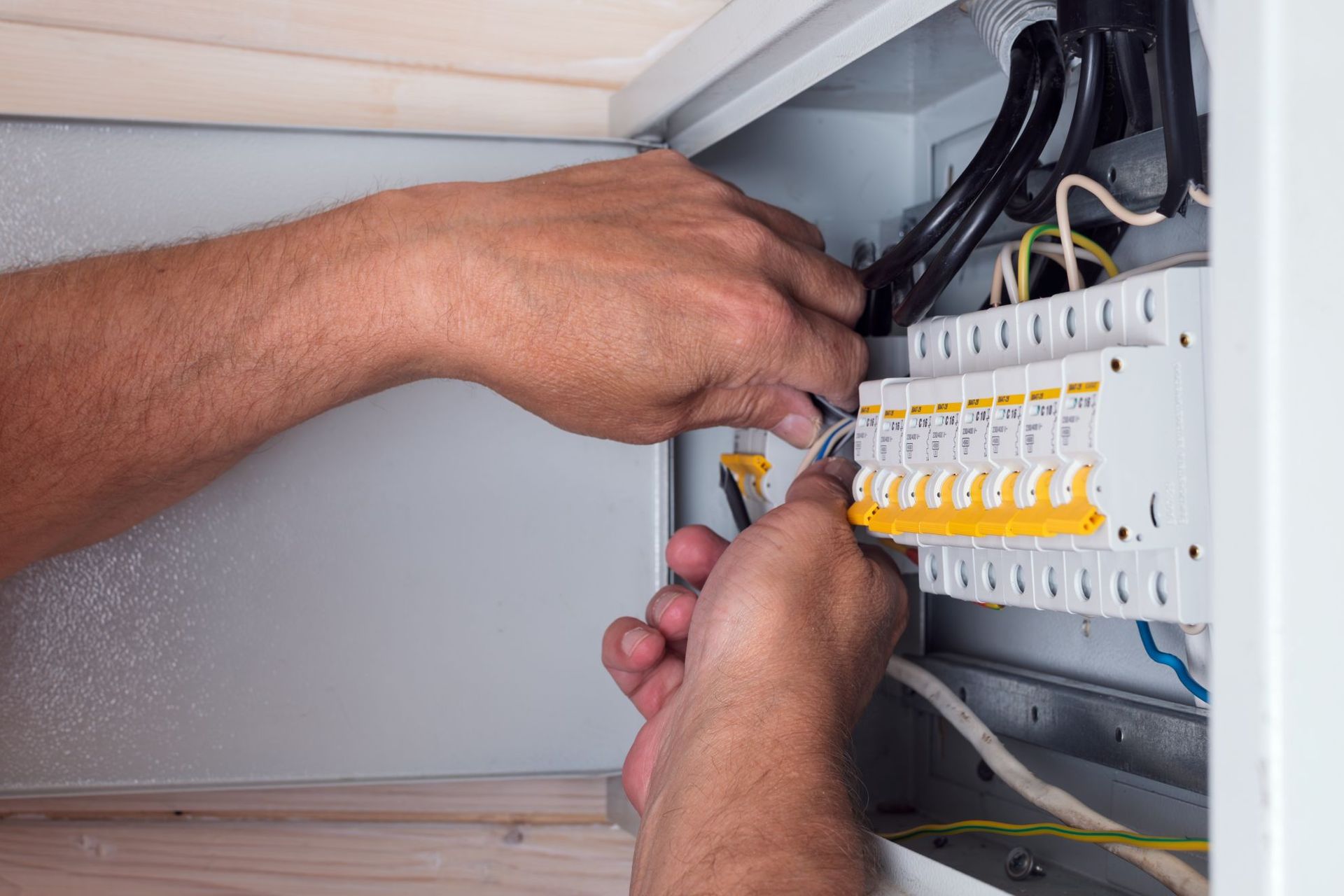
Why Panel Capacity and Type Matter
Panel upgrades typically move from 100-amp to 200-amp service, doubling available capacity and providing 30 to 40 breaker spaces instead of 12 to 20 in older panels. The new panel accommodates AFCI breakers now required for most residential circuits, GFCI breakers for specific locations, and tandem breakers where space optimization becomes necessary. Installation includes new grounding and bonding connections, proper torque on all terminations, and weatherproof service entrance connections that prevent water intrusion.
After replacement, your electrical system handles simultaneous loads without nuisance tripping, breakers provide reliable overcurrent protection, and you have documented capacity for adding circuits when installing new equipment or finishing additional living space. The upgrade eliminates the risk of breaker failure during fault conditions, which is the primary function of circuit protection.
Panel upgrades often reveal wiring issues upstream or downstream from the panel—undersized aluminum service conductors, deteriorated main breaker contacts, or branch circuits using wire sizes that no longer match breaker ratings. These conditions receive correction during panel replacement, preventing mismatched protection that undermines system safety even with new equipment installed.
Common Questions About Panel Replacement
Panel upgrades in Rochester frequently involve coordinating utility disconnection and reconnection, as service entrance work requires meter removal and temporary loss of power during installation.
What are the signs that a panel needs replacement?
Frequent breaker tripping without overload, breakers that feel hot, visible corrosion or burning marks inside the panel, inability to add circuits due to lack of space, and panel brands identified as fire hazards requiring immediate replacement.
How long does power remain off during panel replacement?
Complete panel replacement typically requires four to six hours, during which power remains disconnected while the old panel is removed, new panel installed, circuits reconnected and tested, and utility service restored following inspection approval.
Does upgrading the panel require upgrading the meter base and service entrance?
If existing service entrance equipment is rated for the new panel amperage and remains in code-compliant condition, it may stay in place, but many upgrades from 100 to 200 amps require complete service entrance replacement including meter base, weatherhead, and service conductors.
What happens to existing circuits during panel replacement?
All existing circuits are disconnected from the old panel, labeled, tested, and reconnected to appropriate breakers in the new panel, maintaining the same room and outlet assignments unless reconfiguration is requested.
Can I add a subpanel instead of replacing the main panel?
Subpanels work when the main panel has adequate capacity and available breaker space for a large feeder circuit, but if the main panel is undersized or a recalled type, subpanel addition does not resolve the underlying capacity or safety issues.
Jeff Thomas Electric installs electrical panels that provide reliable service and adequate capacity for your home's current and anticipated electrical loads. Schedule a panel evaluation to assess your existing service equipment and determine upgrade requirements.