
Electrical Systems That Meet Safety Standards
Electrical Safety and Habitability Inspections in Rochester for properties requiring code compliance verification before occupancy or sale
Jeff Thomas Electric performs electrical safety and habitability inspections in Rochester that identify code violations, wiring hazards, and system deficiencies before they become safety issues or transaction obstacles. Homebuyers use these inspections to understand what they're purchasing, landlords use them to verify tenant-ready conditions, and property managers rely on them to maintain compliant buildings across multiple units. The inspection process reveals outdated wiring methods, overloaded electrical panels, missing ground-fault protection, and other risk factors that standard home inspections may not evaluate in technical detail.
The inspection covers service panels, branch circuit wiring, grounding systems, overcurrent protection, receptacle placement and type, GFCI and AFCI protection where required, and visible wiring condition throughout accessible areas. Each identified issue receives a clear classification—immediate hazard, code violation requiring correction, or recommended upgrade—so you understand what must be addressed versus what improves long-term reliability. The findings directly affect habitability certificates, insurance underwriting, and purchase negotiations.
Schedule a property evaluation to document current electrical conditions and code compliance status.
What the Inspection Process Identifies
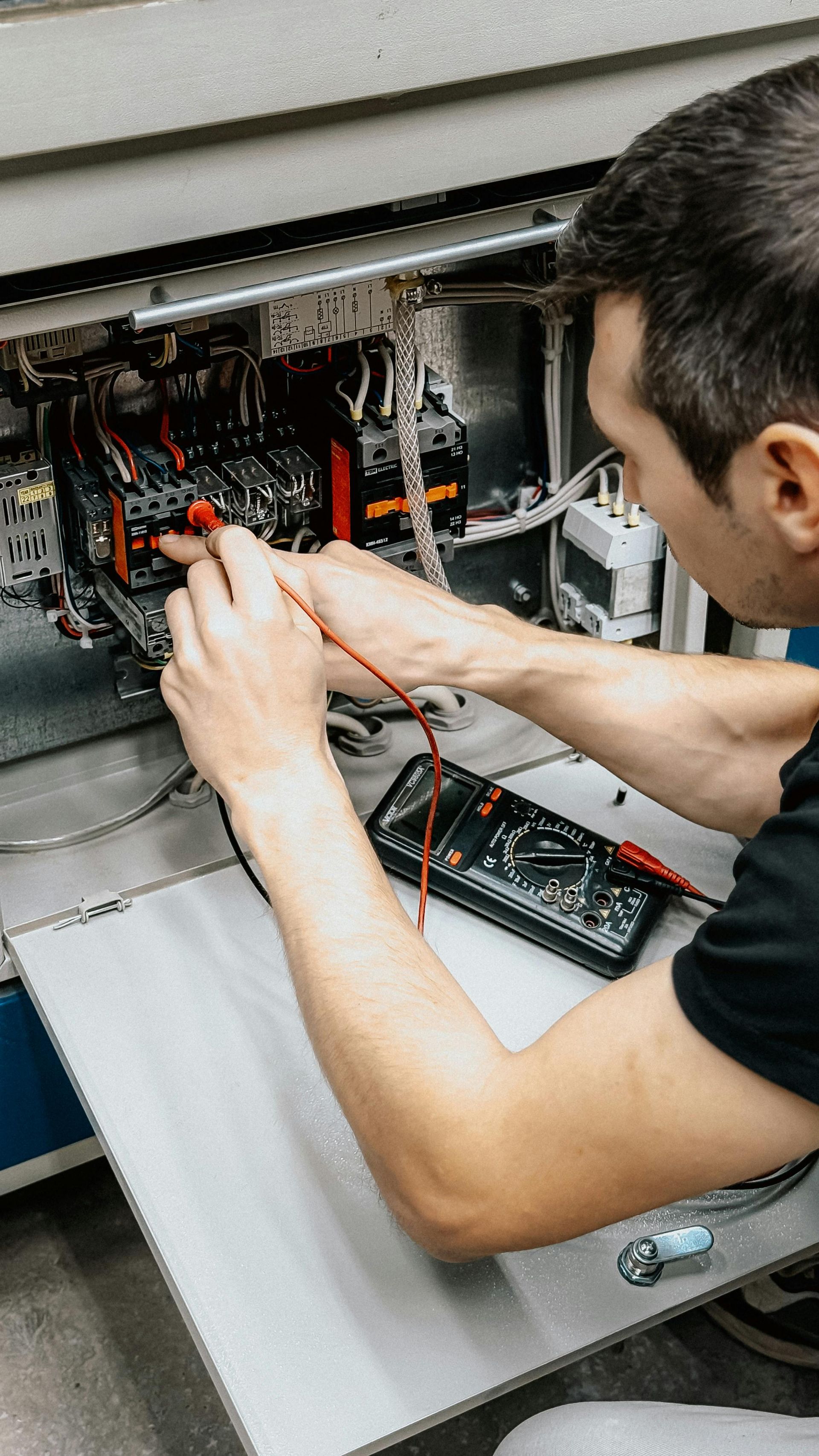
The inspection begins with service entrance evaluation, examining weatherhead condition, service drop connections, meter base integrity, and main disconnect function. Panel inspection follows, documenting available capacity, breaker condition, proper circuit labeling, evidence of overheating, double-tapped breakers, and whether the panel type remains code-compliant or has been subject to recall. Interior inspection traces circuits through the structure, testing receptacles for proper polarity and grounding, verifying GFCI protection in kitchens, bathrooms, and exterior locations, and identifying aluminum wiring, knob-and-tube remnants, or unprotected splices.
After the inspection, you receive a written report detailing each deficiency with location, code reference, and recommended correction. Hazards are prioritized so you know what poses immediate risk versus what fails to meet current code but functioned under older standards. Properties built before 1980 often reveal wiring methods no longer permitted, undersized service for modern loads, or missing safety devices now required for occupancy certificates.
The report becomes a roadmap for corrections, supporting negotiations during real estate transactions or guiding landlords toward compliance before tenant placement. Inspection findings also inform insurance applications, as carriers adjust premiums or coverage based on panel type, wiring methods, and documented hazards.
Questions Property Owners Ask About Inspections
Inspections in Rochester typically focus on older housing stock where wiring methods have evolved significantly since original construction, making documented evaluation essential before ownership transfer or rental occupancy.
What conditions automatically fail a habitability inspection?
Immediate failures include exposed live wiring, missing panel covers, federal Pacific or Zinsco panels still in service, missing GFCI protection in wet locations, and evidence of overheating or arcing at connections, all of which prevent occupancy certification until corrected.
How does this differ from a standard home inspection?
Home inspectors evaluate whether systems function, while electrical safety inspections assess code compliance, capacity adequacy, and latent hazards that may not cause immediate failure but present documented risk over time.
What happens if the inspection reveals aluminum wiring?
Aluminum branch circuit wiring from the 1960s and 1970s requires evaluation of connection methods, as improper terminations increase fire risk, and correction typically involves COPALUM crimping or complete circuit replacement depending on extent and condition.
When should landlords schedule inspections?
Before each new tenant placement, after any electrical work by contractors, following vacancy periods when tampering may have occurred, and annually for properties with known wiring issues or older service equipment.
How long does a typical inspection take?
A complete inspection of a single-family home requires two to three hours depending on size, accessibility, and system complexity, with report delivery within two business days detailing all findings and recommended corrections.
Jeff Thomas Electric provides inspection reports that support informed decisions about property transactions, rental compliance, and safety upgrades. Request a detailed inspection to document your property's electrical condition and code compliance status.