
Wiring That Supports How Modern Homes Actually Function
Home Renovations and Full Wiring in Rochester for properties undergoing remodels, additions, or full system replacements
Jeff Thomas Electric handles complete electrical planning and installation for remodels, additions, and new layouts across Rochester and Monroe County. The work includes designing systems that support modern appliances, lighting configurations, and increased power demands that didn't exist when many local homes were originally built. Older Rochester homes especially benefit when the existing wiring can no longer safely handle the load requirements of contemporary living.
This service involves mapping out new circuits, installing updated panels when capacity needs to increase, and running wire through walls and ceilings to support everything from kitchen appliances to home office setups. The installations are designed for long-term reliability, with attention to clean routing, proper grounding, and protection against overloads. Coordination with contractors and project timelines keeps the electrical work aligned with framing, drywall, and finish schedules so delays don't cascade through the rest of the renovation.
Request a consultation to review your renovation plans and outline the electrical scope required for your project.
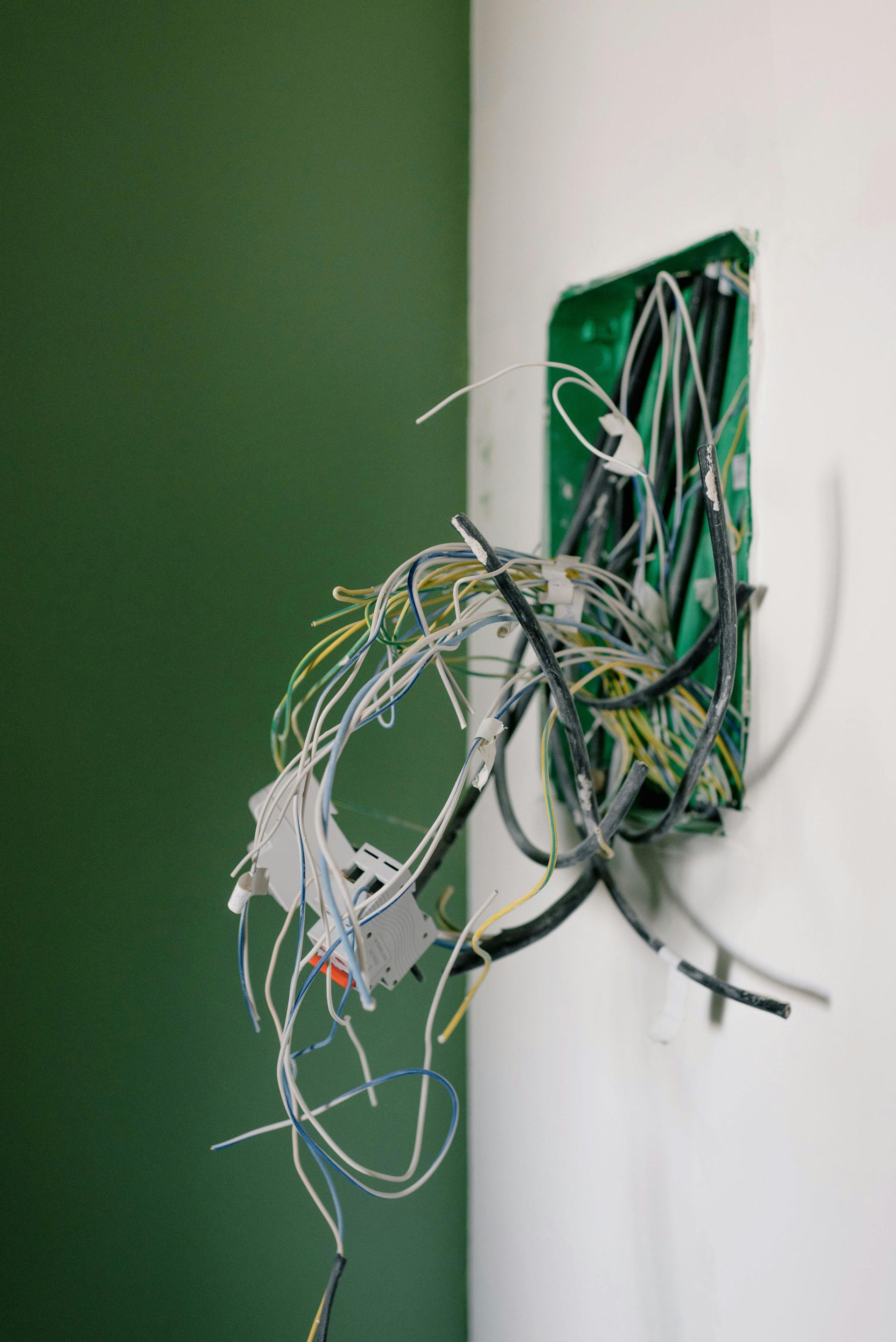
What Full Rewiring Actually Accomplishes
Full rewiring replaces outdated circuits with modern wiring rated for current electrical codes, ensuring that each room has the capacity to handle the devices and appliances you actually use. The process includes running new wire from the panel to outlets, switches, and fixtures, often through walls that are already open during a remodel. All work meets current inspection requirements, which means proper box fill calculations, AFCI and GFCI protection where required, and correct wire sizing for the anticipated load.
Once the installation is complete, you'll notice that lights stay bright when multiple appliances run at the same time, outlets handle high-draw devices without tripping breakers, and the system operates without the hum or warmth that often signals overtaxed wiring. Jeff Thomas Electric focuses on clean installations that blend into finished spaces, with wire runs planned to avoid unnecessary patching and boxes positioned for function and accessibility. The result is a system that performs reliably for decades without requiring constant attention or repairs.
The scope of a full rewire can vary significantly depending on whether you're adding square footage, reconfiguring room layouts, or simply replacing aging wire in place. Homes built before the 1970s often lack the circuit count needed for modern usage, which means adding dedicated lines for kitchens, laundry areas, and HVAC equipment. The work also includes verifying that grounding systems meet current standards, which older homes sometimes lack entirely.
Questions Before Starting Your Renovation Wiring
Renovation projects bring up specific concerns about timing, scope, and how electrical work fits into the larger construction schedule.
What happens during the electrical planning phase?
The process begins with reviewing architectural plans or walking through the space to identify where outlets, switches, lighting, and appliances will be located. Load calculations determine whether the existing panel can support the new layout or if a service upgrade is needed. This planning stage ensures that wire runs are efficient and that the system has room to grow if future changes are made.
How does electrical work coordinate with other trades during a remodel?
Electrical rough-in typically happens after framing is complete but before insulation and drywall go up. Coordination with plumbers and HVAC contractors prevents conflicts in wall cavities and ceiling joist bays. Clear communication with the general contractor keeps the electrical schedule aligned with inspections and subsequent phases of construction.
When is a full rewire necessary versus partial upgrades?
Full rewiring makes sense when most of the existing wire is outdated, undersized, or routed in ways that don't match the new layout. Partial upgrades work when only specific areas are being renovated and the rest of the system remains sound. An evaluation of the current wiring condition and panel capacity clarifies which approach fits your project scope.
What should I expect in terms of disruption during installation?
Most wiring work happens during the rough construction phase when walls are open, which minimizes disruption compared to fishing wire through finished spaces. Once drywall is up, final installation of outlets, switches, and fixtures is relatively quick. The work is timed to avoid delays in finishing trades like painting and trim carpentry.
How does Rochester's older housing stock affect renovation wiring requirements?
Many Rochester homes were built before modern electrical codes and often have knob-and-tube wiring or undersized panels. Local inspection requirements mean that any significant renovation triggers the need to bring the electrical system up to current standards, which often includes adding AFCI protection and ensuring proper grounding throughout the home.
Jeff Thomas Electric manages the full electrical scope for renovation projects across Monroe County, from initial planning through final inspection. Book a consultation to outline the wiring requirements for your remodel or addition.