
Electrical Capacity That Handles Increased Demand
Service Upgrades and Load Coordination in Rochester for homes adding appliances, HVAC systems, or EV chargers beyond current panel capacity
Homes built decades ago often have 100-amp service panels that can't safely support the combined load of central air conditioning, electric vehicle chargers, modern kitchen appliances, and home office equipment running simultaneously. Overloaded panels cause frequent breaker trips, voltage sags that damage electronics, and potential safety hazards from wiring operating beyond its rated capacity. Jeff Thomas Electric evaluates current electrical capacity and recommends service upgrades that allow homes to handle increased power usage safely while preventing overloads and system strain.
Service upgrades involve replacing the main panel with a higher-capacity unit, often 200 amps for modern homes, and coordinating with the utility company to upgrade the service entrance and meter base. The process includes calculating total load based on existing circuits plus planned additions, verifying that the service wire from the utility transformer can handle the increased demand, and ensuring that all work complies with utility company requirements and local electrical codes. Proper load balancing distributes circuits across both bus bars to prevent one side of the panel from carrying disproportionate current.
Schedule a system evaluation to determine whether your current panel can support planned additions or if a service upgrade is needed.
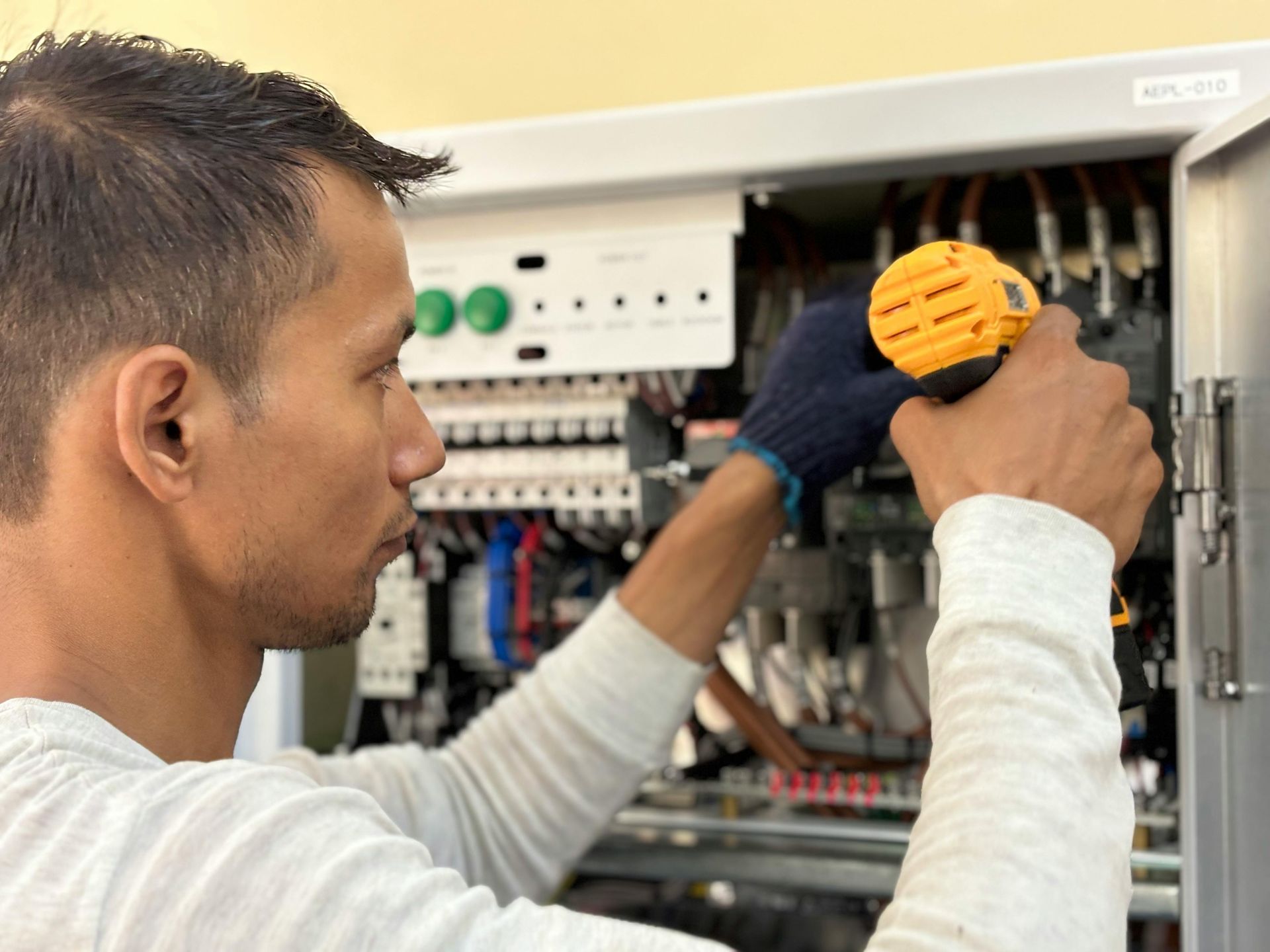
What Happens During a Service Upgrade
Upgrading electrical service requires coordinating a temporary power shutdown with the utility, disconnecting the existing meter, replacing the panel and service entrance equipment, and reconnecting all existing circuits to the new panel in a logical, balanced arrangement. The utility company inspects the installation before reconnecting permanent power and installing a new meter. All existing circuits are tested to ensure proper function after the transfer, and any undersized or damaged wiring discovered during the upgrade is flagged for replacement.
After the upgrade, homeowners can add high-draw appliances or charging equipment without worrying about tripping breakers or overloading the system. Lights no longer dim when the air conditioner starts, appliances receive stable voltage that extends their lifespan, and the electrical system operates with margin for future additions rather than running at maximum capacity constantly. Jeff Thomas Electric ensures that upgraded panels include space for additional circuits, making it easier to add dedicated lines for future remodels or technology upgrades without requiring another panel replacement.
Load coordination involves more than just installing a bigger panel—it requires analyzing which circuits draw power simultaneously and distributing them across the panel to avoid concentrating heavy loads on one leg of the service. Homes with electric heat, well pumps, or workshop equipment need particularly careful load calculations to ensure that peak demand doesn't exceed service capacity even during worst-case scenarios like cold winter mornings when multiple systems operate at once.
Questions About Upgrading Electrical Service
Service upgrades involve coordination with utilities and planning around future power needs, which raises specific questions about process and requirements.
What signals that a home needs a service upgrade rather than just adding circuits?
Frequent breaker trips despite balanced loads, dimming lights when major appliances start, or a panel with no available spaces for additional breakers all indicate that the service capacity is inadequate. Homes planning to add EV chargers, central air conditioning, or electric heating systems almost always need upgrades if they currently have 100-amp service. Load calculations provide definitive answers about whether existing capacity is sufficient.
How does the utility company get involved in service upgrades?
Upgrading service requires utility coordination because they must disconnect and reconnect power at the meter, verify that their transformer and service drop can support the increased load, and inspect the installation before restoring permanent power. The utility may need to upgrade their equipment if the existing transformer serves multiple homes and can't handle additional demand. This coordination adds time to the project but ensures safe, compliant service restoration.
When does load balancing matter in a residential panel?
Load balancing distributes circuits across both legs of the 240-volt service so that current draw remains relatively equal on each side. Unbalanced loads cause one leg to carry more current, which can trip the main breaker even when total demand is within the panel's rating. Appliances like ranges and dryers use both legs, while standard outlets draw from one leg, so balancing requires thoughtful circuit arrangement during installation.
What electrical capacity do EV chargers require compared to typical household circuits?
Level 2 EV chargers typically draw 30 to 50 amps continuously for several hours, which is comparable to running an electric dryer nonstop. Most homes need dedicated 240-volt circuits for chargers, and homes with 100-amp service often lack the spare capacity to add a charger without reducing power available for other loads. Upgrading to 200-amp service provides the margin needed to charge vehicles overnight without affecting other household electrical use.
How do Rochester winters affect electrical load and upgrade planning?
Heating systems, whether forced air furnaces or electric baseboards, draw significant power during extended cold periods. Homes adding heat pumps or electric heating face even higher winter loads. Service upgrades for Rochester homes need to account for simultaneous operation of heating, lighting during long dark evenings, and other seasonal demands that peak during the coldest months when electrical strain is highest.
Jeff Thomas Electric performs load evaluations and service upgrades throughout Monroe County, coordinating with utilities and ensuring that homes have the electrical capacity to support modern appliances and future additions safely. Arrange an evaluation to review your current system and determine the right upgrade path for your property.